Ballet Technique Classes in Miami
Build Strength, Alignment & Confidence Through Classical Ballet Training
At D&V Art Center, our ballet technique classes in Miami help dancers develop strong fundamentals, proper alignment, flexibility, coordination, and artistic expression. Ballet training improves posture, balance, musicality, discipline, and overall performance in every style of dance.
Our program is influenced by the internationally respected Cuban School of Ballet, known for producing dancers with exceptional strength, clean turns, expressive movement, and powerful technique.
What Students Learn
Dancers develop:
- Proper ballet positions and body alignment
- Turnout, balance, and coordination
- Strong feet, legs, and core control
- Turns, jumps, flexibility, and musicality
- Confidence, discipline, and stage presence
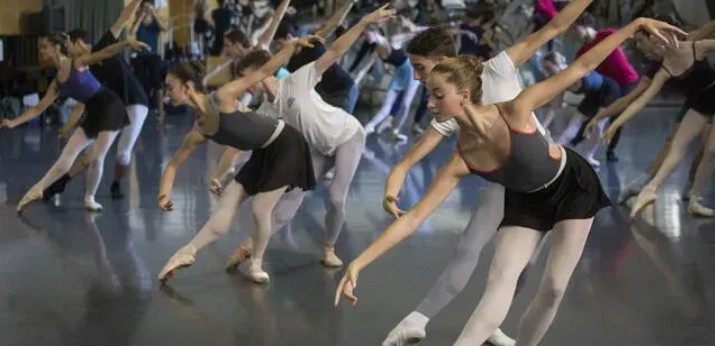
Training includes barre work, center practice, balance exercises, turns, and jumps — all taught with a strong emphasis on safe technique and technical precision.
Cuban Ballet Training Influence
Our instruction incorporates elements of the Cuban ballet method, inspired by Alicia Alonso’s internationally recognized school. This training style combines classical discipline, athletic strength, expressive artistry, and dynamic performance quality.
Ballet Training for Competitive & Pre-Professional Dancers
Strong ballet technique is essential for dancers interested in contemporary, lyrical, jazz, and competitive dance. Many advanced dancers use ballet as the foundation for technical growth, control, and versatility across all styles.
Join Our Ballet Program in Miami
Whether your child is beginning ballet or looking to strengthen advanced technique, D&V Art Center provides professional ballet training in a supportive and inspiring environment.
Schedule a trial class today and discover the foundation every great dancer needs.
"OUR TEAM"
- If you’re aiming for professional‑level training with excellence as the standard, this is your moment.
- Exclusively for new members with competitive potential.
- Quality. Discipline. Proven Results. Only for those ready to stand out.
 Posted on Google
 Zuleimy Fernández Ojeda
Trustindex verifies that the original source of the review is Google.
Denia es una instructora amorosa que hace que las niñas amen el ballet. Súper recomendada.Posted on Google Ivy & Julio ValdesOver the past three years, our daughter has had the absolute privilege of being taught by such an incredible dance teacher like Denia. Her dedication, patience, passion, and genuine love for her students shine through in everything she does. She has not only helped our daughter grow tremendously as a dancer, but she has also helped her grow in confidence, discipline, and self-belief. The care and encouragement she gives each child goes far beyond the dance studio. She creates an environment where her students feel supported, inspired, and truly valued. Her commitment is unmatched, always going above and beyond to make sure every student succeeds and feels special. We are endlessly grateful for the positive impact she has had on our daughter’s life over these past three years. The transformation we have seen in her, both as a dancer and as a little girl is truly amazing. Thank you for your hard work, your kindness, and the love you pour into teaching. We love you!!Posted on Google
 Yipsy CasanovaWe have had such a wonderful experience here. My daughter enjoys every class and comes home excited to show what she learned. The instructors are supportive, encouraging, and truly care about the children’s progress.Posted on Google
 Wildalis EnriquezMy 4 year old daughter has been taking Acrodance lessons for the last couple months and she has learned and improved immensely. She’s always excited for her lessons and it keeps her active. The teacher is sweet and very attentive. Would 100% recommend!Posted on Google
 Talia GuilbeauxFor two years now, my daughter has been having a wonderful experience thanks to D & V. An excellent teacher, professional, patient, and loving.Posted on Google
 Imarelys QuinteroGracias por transmitir tanto amor y dedicación en cada clase. Mi hija disfruta muchísimo el ballet gracias a usted. 💖🩰Posted on Google
 Natalie RomanMy daughter takes dance classes at her daycare with Denia, and I truly cannot say enough amazing things about her. Calling her amazing is honestly an understatement. She genuinely cares for the girls as if they were her own, and it shows in everything she does. Since starting classes, I’ve seen such incredible progress in my daughter’s acrobatic skills, confidence, and love for dance. More importantly, Denia has made her completely fall in love with dance and all the joy and discipline that comes with it. It’s so comforting as a parent to know your child is learning from someone so patient, passionate, and caring. We are beyond grateful for the positive impact she has had on my daughter!Posted on Google
 Lilian ContrerasThe teacher is knowledgeable, wonderful, caring, and incredibly kind. She shows remarkable patience with all the students, and the kids genuinely adore her.Posted on Google
 Maylie DiazLa mejor academia de baile sin dudas. Mi niña comenzó con 2 años y medio y ama las clases de ballet con Denia. Ella es magnífica, la dedicación, la paciencia y la dulzura con que ella les enseña no tiene comparación. El avance que veo en mi niña en solo un curso es significativo. Recomiendo 100% esta academia.Posted on Google
 naiviv martinez